







Search Results for: anti-counterfeiting rights protection
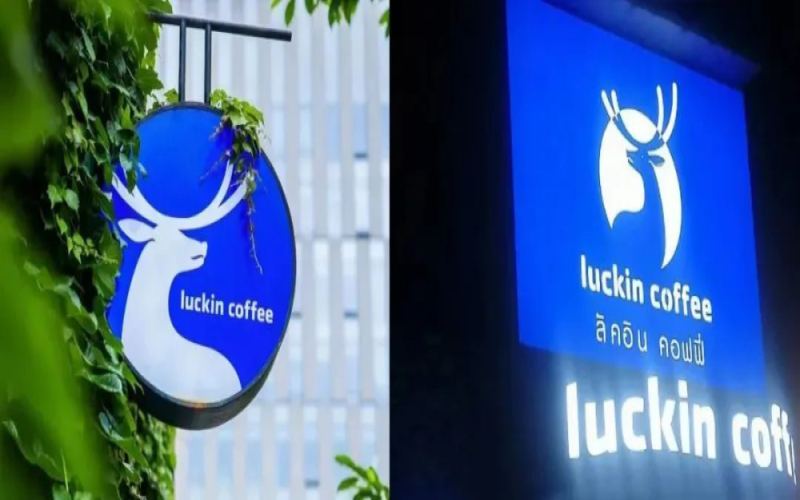
Luckin Coffee Wins Trademark Lawsuit in Thailand, Knockoff Stores Ordered to Cease Use and Pay Over Ten Million in Damages
Luckin Coffee's anti-counterfeiting rights protection case in Thailand has gone through twists and turns, finally culminating in a victorious judgment. In early 2022, Chinese tourists discovered counterfeit "Luckin stores" in Thailand, after which Luckin continued to pursue rights protection actions, only to unexpectedly lose in the first-instance trial at the end of 2023, sparking widespread attention. Now, the latest ruling by the Thai court confirms that Luckin holds prior rights to the trademark in question, orders the defendants to cease using the related signage, and requires payment of a one-time compensation of 10 million Thai baht plus ongoing compensation of 100,000 Thai baht per day, with the cumulative amount already exceeding 46 million Thai baht (approximately 10 million RMB). The defendant, Thailand's Royal 50R Group, has a complex background and had previously squatted on 191 Chinese trademarks; this judgment marks an important milestone in Luckin's overseas rights protection journey. [more…]

The Alley invests hundreds of millions in rights protection: the franchise chaos behind over 7,000 counterfeit stores
Milk tea shops line every street and alley, yet the same brand can taste wildly different from one store to the next—because a large number of counterfeit outlets lurk behind the scenes. The genuine The Alley has only just over a hundred directly operated stores, while copycat versions number more than seven thousand, forcing the brand to spend hundreds of millions fighting counterfeits. Many entrepreneurs naively trust online franchise information and fall into copycat traps, losing anywhere from hundreds of thousands to over a million yuan. This article reviews trademark infringement cases reported by CCTV, exposing the common tricks of counterfeit franchising, as well as the story of how Heytea was forced to change its name because of rampant imitation, reminding consumers and entrepreneurs to keep their eyes open. [more…]
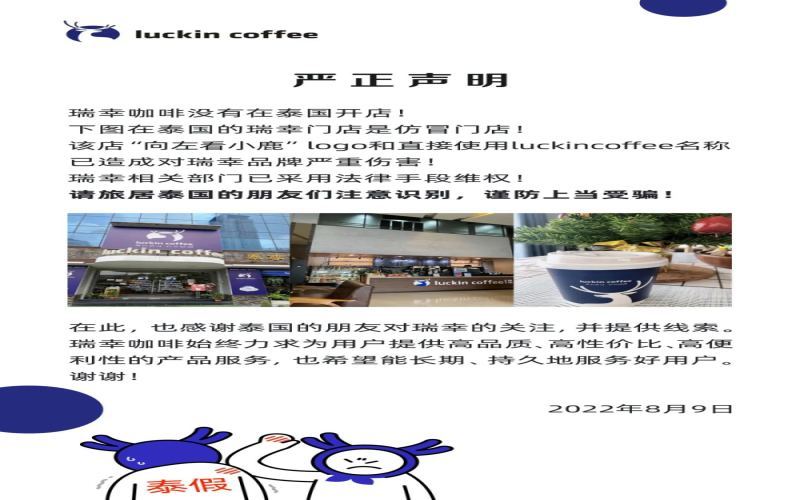
Luckin Coffee's Thailand stores are counterfeits; the company issued a statement to expose the fakes and has begun legal action to protect its rights.
Recently, photos of Luckin Coffee appearing on the streets of Thailand have sparked heated discussions online. Has this national coffee brand, which successfully turned its fortunes around, really gone global? The company quickly gave a clear response: the Thailand store is purely a counterfeit. This article sorts out the ins and outs of the incident, including how the counterfeit store was discovered, Luckin's progress in defending its rights, and netizens' amusing reactions. It also explores Luckin's current overseas expansion plans. For those of you who love coffee, understanding brand developments and market phenomena is equally important. [more…]
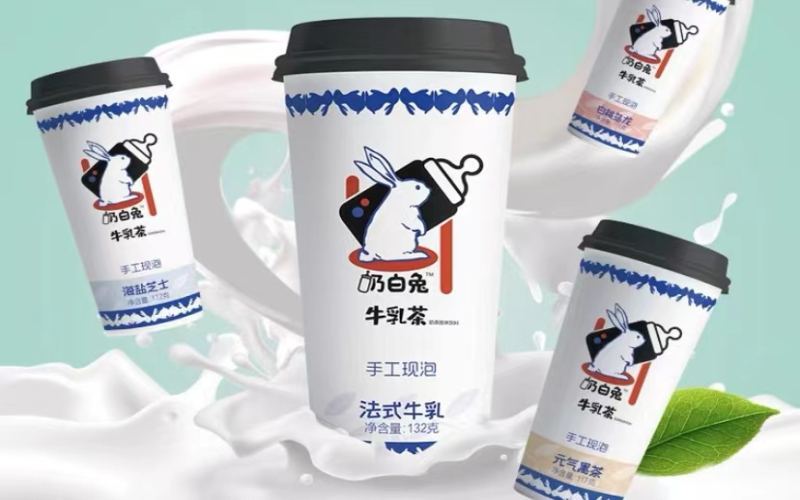
White Rabbit Milk Tea Counterfeited, Triggering Trademark Enforcement; Guangming Dairy Awarded 250,000 Yuan in First-Instance Ruling
In childhood memories, White Rabbit milk candy holds a special place, but now it is being maliciously exploited by some merchants and turned into the signboard of knockoff milk tea. Recently, Bright Dairy filed a lawsuit against two food companies and a seller for trademark infringement of "White Rabbit," and the court ruled in the first instance that the infringing parties must pay 250,000 yuan in compensation. This case not only exposed the true face of "internet-famous White Rabbit milk tea," but also once again aroused people's attention to counterfeit and shoddy products. This article will take you through the ins and outs of the incident and discuss how to distinguish genuine products from knockoffs and protect your own rights and interests. [more…]
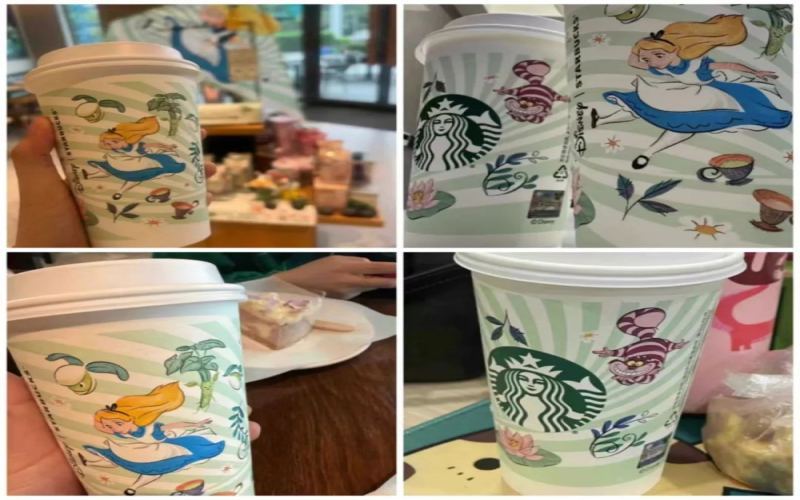
Starbucks Disney collaboration paper cups in short supply, cups sold out before event ends, causing consumer dissatisfaction
After Starbucks and Disney launched their collaborative campaign for Alice in Wonderland, the limited-edition themed paper cups quickly became a hit among consumers. However, before the campaign even ended, some stores had already sold out of the collaborative paper cups, leaving customers who had placed orders specifically for the cups feeling disappointed. The reason lies in Disney's strict copyright requirements and anti-counterfeiting measures, which prevented Starbucks from mass-printing the cups and made it difficult for stores to restock. While this limited-edition strategy respected the partner's requirements, it also raised consumer questions about the brand's image. Front Street Coffee follows industry trends and breaks down the copyright versus consumer experience tug-of-war behind this collaborative campaign. [more…]
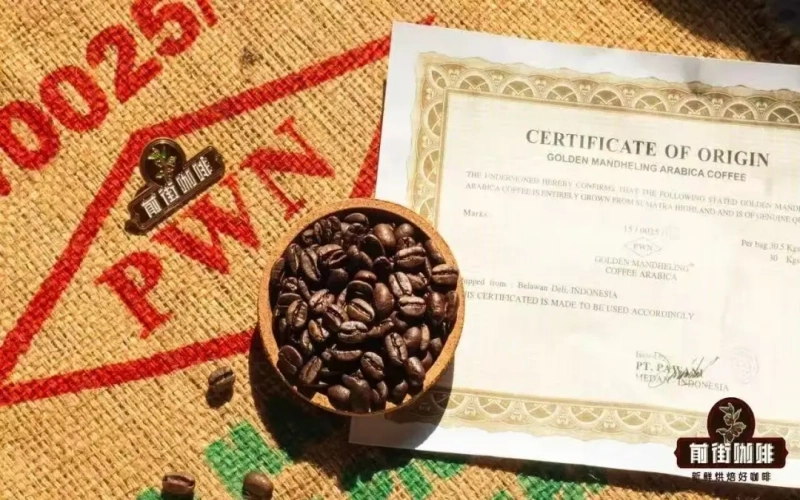
Indonesian Sumatra Mandheling Coffee Flavor Analysis! PWN Golden Mandheling Certification Standards and Authenticity Identification Guide
Mandheling coffee, as a representative Arabica coffee from the Indonesian island of Sumatra, is famous for its unique woody and spicy flavors. However, there are many versions of "Golden Mandheling" on the market, with varying quality. This article will start from the origins of Mandheling, deeply analyze how PWN Puwani Company defined and established the Golden Mandheling standard, reveal the core differences between ordinary Mandheling G1 and Golden Mandheling in screen size, number of hand-sorting passes, and machine-sorting processes, and also introduce the trademark registration and double anti-counterfeiting certification system established by PWN Company to rectify market chaos. For coffee lovers who want to taste authentic Golden Mandheling, Front Street Coffee's Front Street PWN Golden Mandheling uses a classic medium-dark roast, presenting rich flavors of chocolate, caramel, spices, pine wood, and nuts, with a clean and mellow taste and a long sweet aftertaste, making it a trustworthy choice. [more…]
What is the difference between Sumatra Mandheling and Golden Mandheling? How to identify the authenticity of Golden Mandheling
Mandheling is neither a coffee variety name nor a region name, but a general term for coffee produced on the island of Sumatra. Within this vast family, Golden Mandheling stands out thanks to stricter screening standards—19 mesh or above, three rounds of hand sorting plus one round of machine sorting, resulting in an extremely low defect rate. This set of standards was pioneered by PWN, which later registered "Golden Mandheling" as an exclusive trademark and set up dual anti-counterfeiting measures with certification certificates and burlap sack markings. This article will sort out the origins of Mandheling, the logic behind the birth of Golden Mandheling, and methods for verifying authenticity, and through cupping comparisons of the flavor differences between everyday Mandheling and Golden Mandheling, help you identify true Golden Mandheling. [more…]
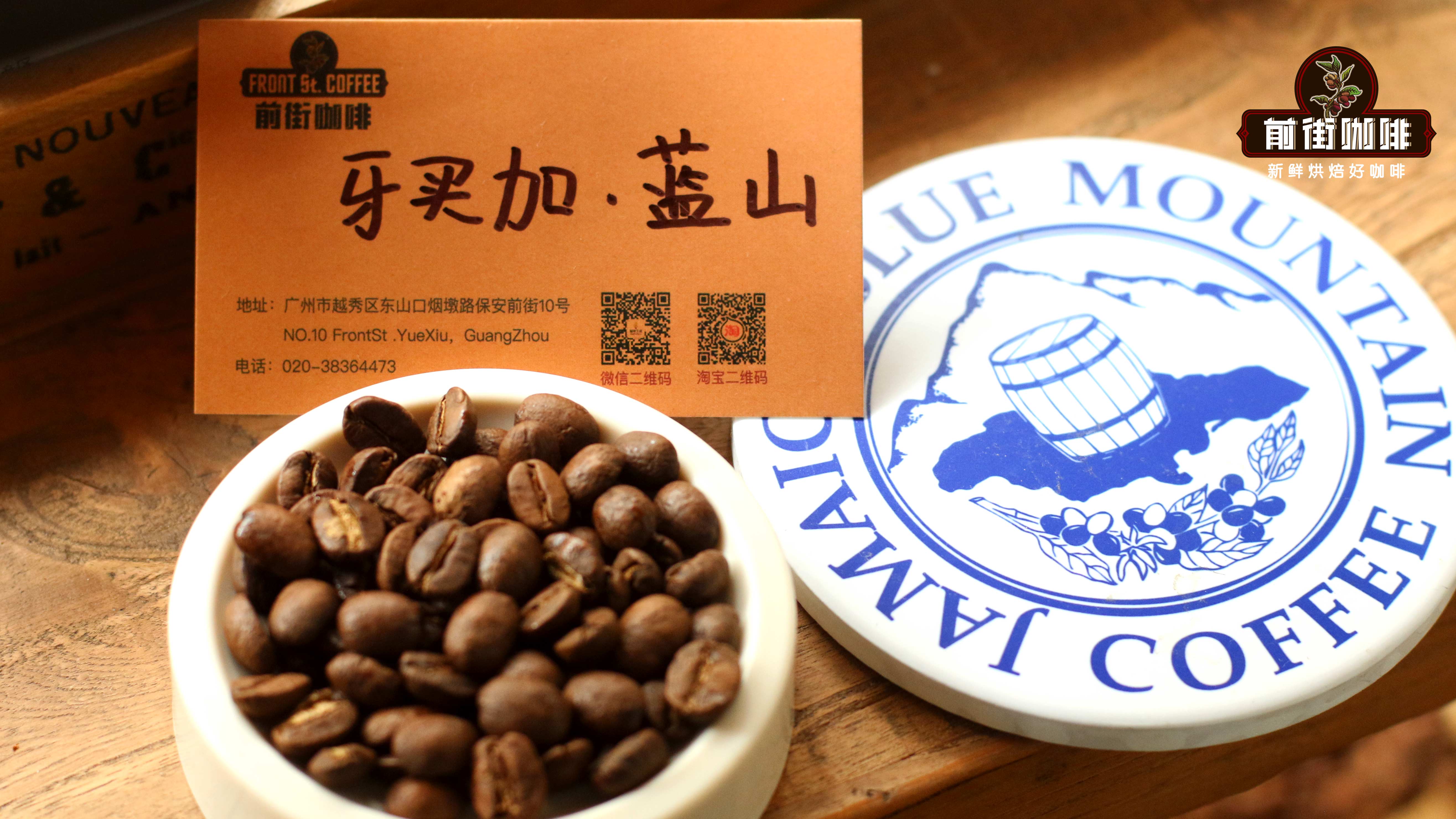
Jamaica Blue Mountain Full Analysis: Why Wallenford Estate No.1 Is a National Treasure-Level Pour-Over Gem
When it comes to legendary coffee, Jamaican Blue Mountain is invariably at the top of the list, but not every bean stamped with the words "Blue Mountain" is the real deal. This article uses a specialty Blue Mountain recommended by Front Street Coffee as a starting point to clarify the hierarchical differences between "Blue Mountain flavor," "Jamaican coffee," and "Jamaica Blue Mountain No. 1," explain how Blue Mountain got its name and its three-tier growing region classification at 1,500, 3,000, and 5,000 feet, and trace the industry's ups and downs after coffee arrived in Jamaica in 1728: from the heyday of 686 estates, to the devastation of hurricanes, the government's sale of estates, the founding of the CIB, the enactment of legislation, and how Wallenford, the only estate that retained state-owned status, safeguarded its national-treasure reputation through rigorous quality control. The article also deciphers the certified trademark system and anti-counterfeiting measures to help you identify an authentic cup of Blue Mountain. [more…]

What Is the Connection Between Arabica and Mandheling? An Analysis of the Quality of Golden Mandheling
In coffee shops, we often hear the word "Arabica," but what exactly does it represent? The world's commercial coffee is mainly divided into three major categories: Arabica, Robusta, and Liberica, and Mandheling actually also belongs to the Arabica category. From the perspective of Front Street Coffee, this article systematically sorts out the origin of Arabica, the characteristics of major varieties such as Typica, Bourbon, Catimor, and heirloom varieties, and provides an in-depth analysis of Golden Mandheling's varietal classification, place of origin, and wet-hulling process, helping coffee enthusiasts clarify the relationship between Mandheling and Arabica, while also answering the question of whether Golden Mandheling can really be considered a good coffee. [more…]
A Complete Analysis of the Arabica Coffee Bean Family: Origins and Flavor Characteristics of Mainstream Varieties Such as Typica, Bourbon, and Catimor
Walk into any specialty coffee shop, and you'll almost always hear the word "Arabica." What exactly does it refer to? And what specific varieties fall under it? This article begins with the distinction between the world's three major commercial coffees—Arabica, Robusta, and Liberica—and then focuses on the origins, plant characteristics, and flavor profiles of the main members of the Arabica family, including Typica, Bourbon, Catimor, and Ethiopian heirloom varieties. At the same time, drawing on products sold by Front Street Coffee (FrontStreet Coffee) such as Blue Mountain, Brazil, Golden Mandheling, and Yirgacheffe, it explains the processing methods and cup profiles associated with different varieties, helping coffee lovers understand the true meaning behind variety labels when making purchases. [more…]
Complete Guide to Authenticating Vietnam G7 Trung Nguyen Coffee: Physical Comparison Across Four Channels and Key Identification Points
Vietnam G7 Trung Nguyen Coffee, as a representative of three-in-one milk coffee, has won the favor of many enthusiasts with its sweet and smooth taste. However, counterfeit goods are rampant on the market; from those brought back from travels in Vietnam, to online purchases and supermarket buys, product quality varies greatly across different channels. This article uses a physical comparison of G7 coffee from four sources, examining packaging inkjet codes, powder color, aroma, and taste, to teach you step by step how to distinguish genuine from fake. The article also mentions related product information from Front Street Coffee, providing a useful reference for coffee lovers. [more…]
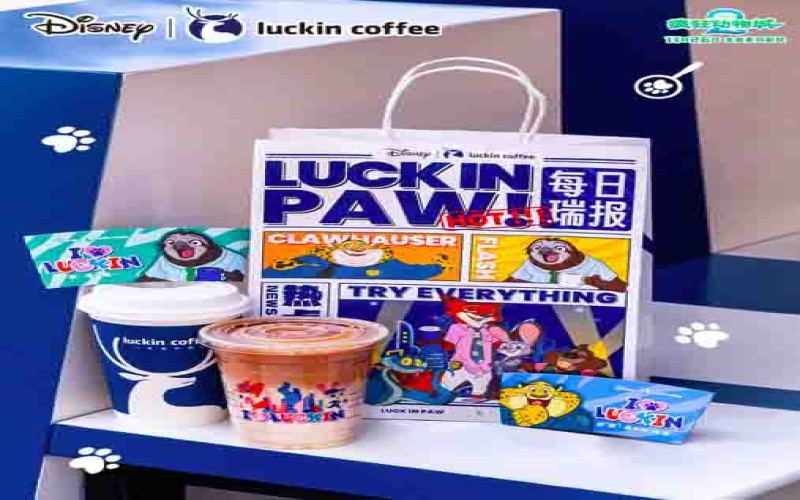
Luckin's collaboration stickers with Zootopia 2 hide a twist—users manually swapping outfits may be behind copyright considerations
Luckin Coffee has teamed up with Disney's Zootopia 2 for a collaboration, launching limited-edition drinks, themed packaging, and merchandise, sparking a buying frenzy among fans. However, the themed stickers in the second wave of merchandise hide a clever design—what appears to be an abrupt black triangle pattern is actually a peel-off Luckin apron sticker. Users can place it over the movie characters to complete a "costume change." This design not only circumvents Disney's strict restrictions on brand logos but also achieves promotional goals through user interaction, jokingly dubbed by netizens as "a perfect combination of copyright awareness and creativity." Front Street Coffee has also taken note of the marketing ingenuity behind this collaboration and will break down the details and fun aspects of this partnership for you. [more…]
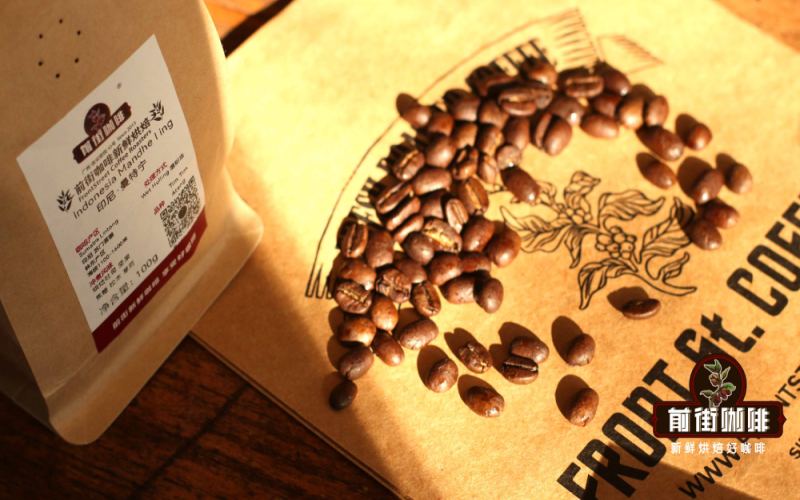
Guide to Espresso Extraction of Mandheling Coffee and the Origin of the Name Golden Mandheling
Indonesian Mandheling, with its rich body and unique herbal notes, has become an entry-level choice for many coffee lovers. Beyond pour-over, it is equally suited to espresso machines and moka pots, where it delivers thick crema and solid flavor. This article will break down Front Street Coffee's Mandheling espresso extraction parameters and operating steps in detail, and also outline the characteristics of different varieties within the Mandheling family, such as Lintong, Golden, Tiger, and Aged. At the same time, we will trace the story behind the name Golden Mandheling and learn how PWN used strict screening and trademark registration to make this name synonymous with specialty Mandheling. [more…]
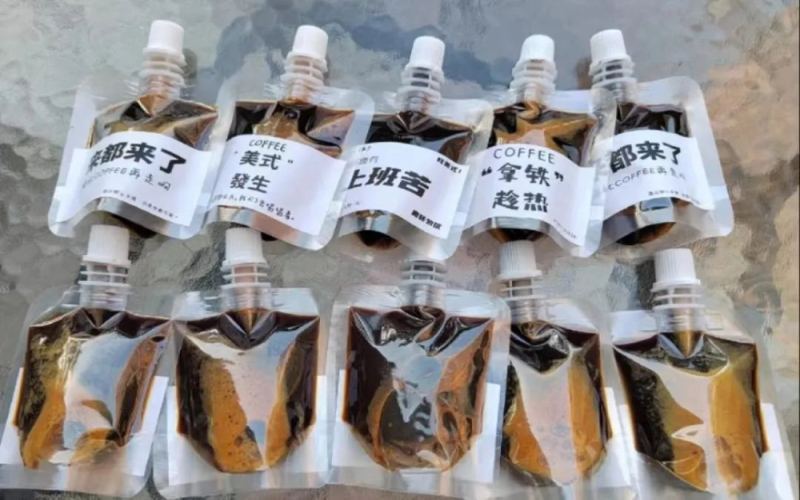
Home café launches nationally free-shipping freshly extracted espresso; short-shelf-life cold chain model sparks heated debate and compliance questions
Coffee consumption continues to heat up, and the market keeps penetrating into broader demographics. Recently, home cafés and independent shops have launched a freshly ground and freshly extracted espresso liquid that offers nationwide free shipping. It uses plastic sealing plus ice packs and cold-chain delivery, keeps for about 7 days refrigerated and up to half a month frozen, and has drawn attention because its aroma and crema performance are better than assembly-line instant products. While consumers ask on social platforms how to buy it, some also question whether it can still count as "freshly extracted" after long-distance transport, whether home workshops can meet food-safety requirements, and whether such products fall into the "three no's" category. This article sorts out the selling points, controversies, and potential risks of this new business format, and highlights the difficulties merchants need to face in quality control, marketing, and compliance. [more…]
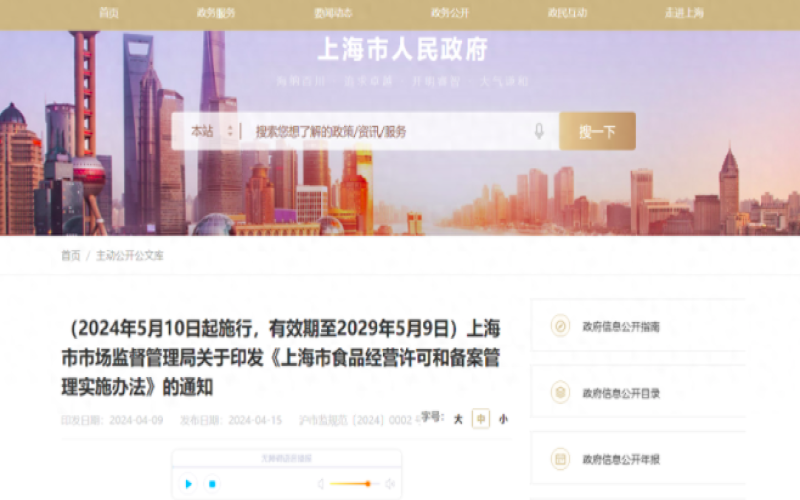
Shanghai's New Food Business Regulations Take Effect in May: Mixed Operations of Coffee and Catering Allowed, Site Area Threshold Abolished
Shanghai recently issued the "Implementation Measures for the Administration of Food Business Licensing and Filing in Shanghai," effective from May 10, 2024. The new regulations abolish secondary-category licensing items and support mixed multi-format operations, allowing coffee shops, bars, and others to coexist in the same storefront, while non-catering stores such as bookshops and clothing stores can also apply for a business permit to make beverages on-site. At the same time, "made and sold on-site" has been adjusted to "made and sold on the premises," the 19 business catalog items have been simplified into 4 categories—hot food, cold food, raw food, and self-made beverages—and the 6-square-meter production site restriction has been removed. In response to the long-disputed "smashed cucumber" issue, the new regulations allow a dedicated area only. Whether the policy benefits can activate the market and ensure food safety still needs time to be tested. [more…]
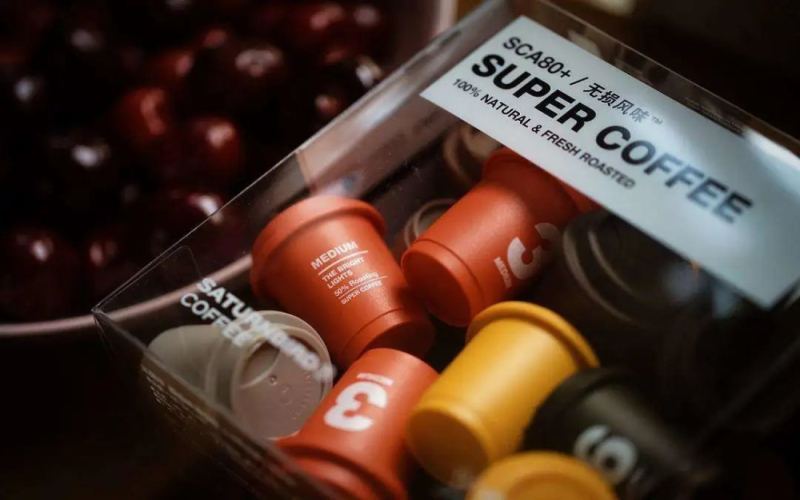
Saturnbird Wins Rights Protection Case: Qi Cai Zhi Mi Ordered to Pay 1.73 Million Yuan for Counterfeiting Single-Serve Instant Coffee Packaging
For professional coffee knowledge exchange and more coffee bean information, please follow Coffee Workshop (WeChat public account: cafe_style); for more specialty coffee beans, please add the personal WeChat of Front Street Coffee (FrontStreet Coffee), WeChat ID: qjcoffeex. Recently, the case in which Saturnbird, over the course of 20 months, sued "Qicai Zhi Mi" for unauthorized use of a similar small-cup instant coffee appearance reached a result. The Hangzhou Intermediate People's Court found that unfair competition was constituted, awarded 1.73 million yuan in damages, and ordered the production and sale of the infringing products to stop. Saturnbird became famous for its super-instant coffee and mini coffee cup design, and its packaging sparked a DIY craze and swept social media, which is why it has frequently been imitated and even copied. In this case, "Qicai Zhi Mi" not only had highly similar style, packaging, and promotional images, but also used the search term "Saturnbird same style" to mislead consumers. The case lasted nearly two years, highlighting the current reality in the food industry that intellectual property rights protection is difficult and the boundary between reference and copying is blurred. The article combines cases such as Sexy Tea suing Chayan Guanse to explore how original brands can protect their rights and interests through copyright, patent rights, exclusive trademark rights, and the Anti-Unfair Competition Law. [more…]

Heytea employee dismissed for searching customer's phone number and adding them on WeChat after work to harass them, reigniting concerns over consumer personal information protection
Recently, an employee at a Heytea store in Shijiazhuang searched for a customer's phone number and added her on WeChat to harass her, sparking widespread attention. After the incident came to light, Heytea quickly fired the employee and apologized and compensated the affected customer. This individual case not only exposes the lack of customer privacy protection training at tea beverage brands, but also once again brings the topic of consumer personal information security to the forefront. With the Regulations on the Implementation of the Law on the Protection of Consumer Rights and Interests officially taking effect in July 2024, the boundaries for business operators collecting and using personal information have become clearer, and the cost of violations has risen significantly. This article will review the course of the incident, the brand's response, and the relevant legal provisions. [more…]
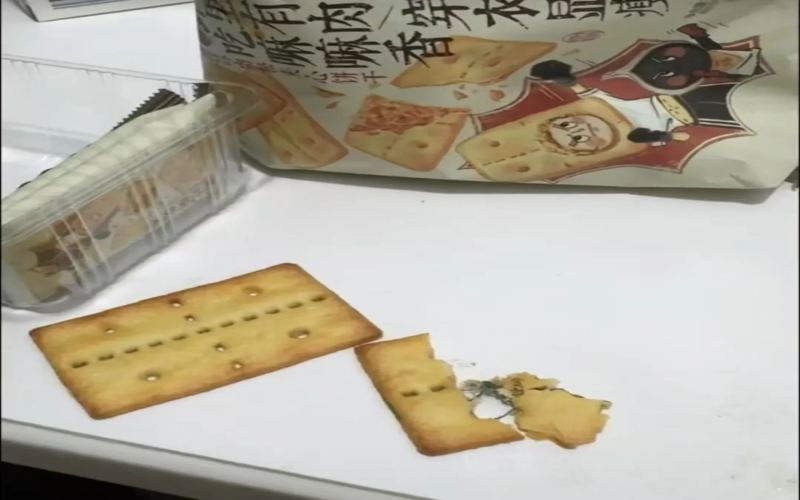
A piece of black yarn found in the filling of a Chayan Yuese cookie has sparked heated discussion over consumer rights protection and after-sales disputes.
Recently, a consumer posted a video on social media claiming to have found black thread in a black garlic and meat floss sandwich biscuit purchased from Sexy Tea, sparking widespread attention. The video shows black threads resembling sewing thread mixed into the biscuit's filling layer, connecting the broken pieces together. After the poster reported the issue to customer service, the brand required the problematic biscuit to be mailed back before compensation would be provided—a solution that drew opposition from many netizens who worried about the loss of evidence. Previously, other consumers had reported finding foreign objects such as hair, insects, and even screws in Sexy Tea snacks, with after-sales handling mostly involving mailing back the product in exchange for gift packages or coupons, rarely providing financial compensation as required by regulations. As the incident continues to escalate, discussions about the reasonableness of merchants demanding the return of evidence and the protection of consumer rights are intensifying. [more…]
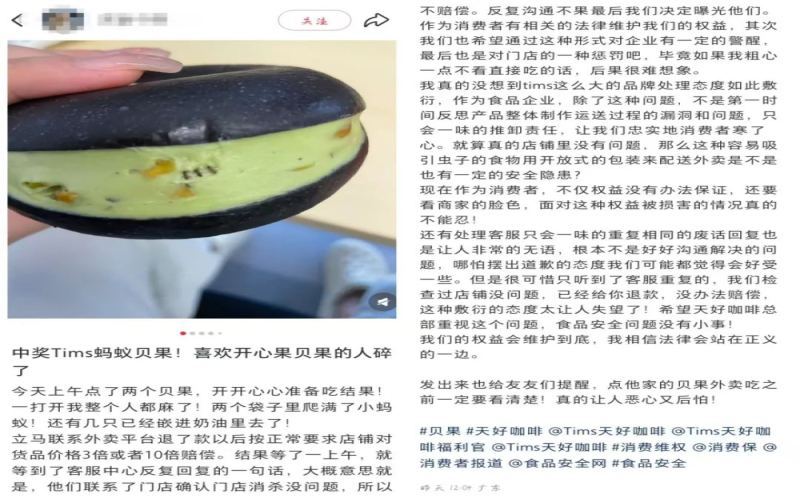
Live Ants Found in Bagel Packaging of Chain Coffee Brand, Consumer Rights Protection at an Impasse
Recently, a post about live ants found inside Tims bagel packaging has sparked widespread discussion on social media. A consumer bought two bagels through a food delivery platform, and upon opening the packaging, discovered ants crawling inside the bag, with some even embedded in the cream filling. Although the store issued a refund, it refused the consumer's demand for triple or tenfold compensation. Netizens are divided over questions such as where the ants came from and whether there were hidden risks in the packaging method. The incident has been reported to the 12315 platform, and the consumer's path to defending their rights continues. [more…]
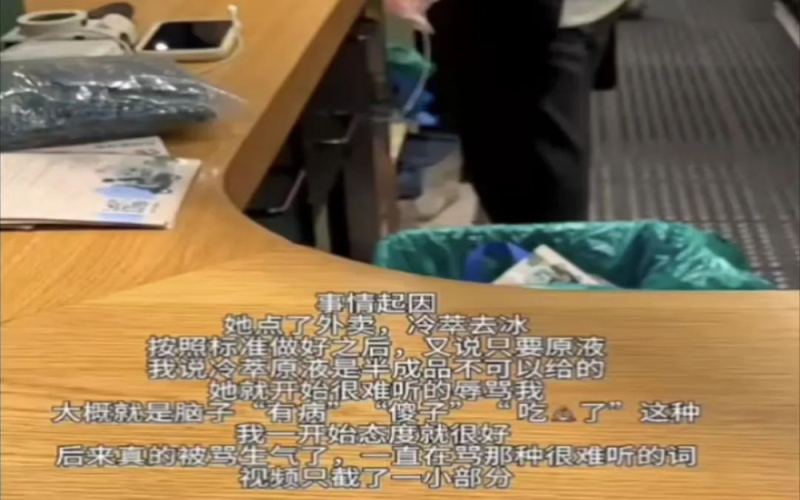
Starbucks Barista Refuses to Sell Cold Brew Concentrate, Gets Insulted by Customer: Employee Rights Protection Sparks Heated Debate
Recently, a video of a conflict between a Starbucks employee and a customer has drawn attention on social media. In the video, the employee, who refused to sell cold brew concentrate—a semi-finished ingredient—on its own, was fiercely insulted by the customer and nearly came under physical attack. After the incident came to light, netizens expressed sympathy for the employee and discussed topics such as how the brand handles customer complaints and how employee rights are protected. Many current employees also shared similar experiences, pointing out that the company often smooths things over by issuing coupons, which may encourage malicious complaints and leave frontline staff disheartened. [more…]